
Heat Exhaustion vs Heat Stroke: Signs, Symptoms, and When to Seek Care in Florida
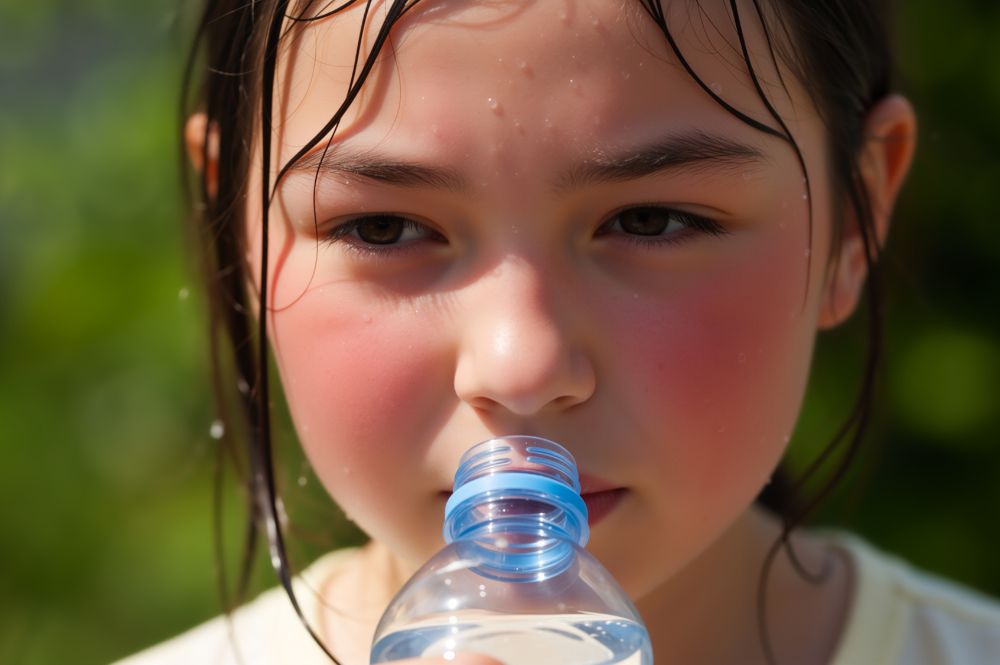
Florida’s heat and humidity can take a serious toll on the body, especially during the summer months. Whether you are working outdoors, spending the day at a theme park, playing sports, or simply running errands, prolonged exposure to high temperatures can quickly lead to heat related illness.
Two of the most common heat related conditions are heat exhaustion and heat stroke. While they may sound similar, they are very different in severity. Knowing how to recognize the signs early can help prevent serious complications and protect your health.
For residents and visitors in Orlando and Kissimmee, understanding when to seek medical care is especially important during periods of extreme heat.
What Is Heat Exhaustion?
Heat exhaustion occurs when the body overheats and struggles to cool itself properly. This condition is usually caused by prolonged exposure to heat, excessive sweating, and dehydration.
Heat exhaustion is serious but can often be treated before it progresses to heat stroke.
Common Symptoms of Heat Exhaustion
Symptoms may include:
- Heavy sweating
- Dizziness or lightheadedness
- Fatigue or weakness
- Headache
- Muscle cramps
- Nausea or vomiting
- Rapid heartbeat
- Cool, clammy skin
Many people begin experiencing symptoms after spending extended time outdoors in hot weather without enough fluids.
What Is Heat Stroke?
Heat stroke is a medical emergency that occurs when the body can no longer regulate its temperature. Body temperature can rise dangerously high, potentially causing damage to the brain and other organs.
Unlike heat exhaustion, heat stroke requires immediate emergency medical attention.
Symptoms of Heat Stroke
Signs of heat stroke may include:
- Body temperature above 103°F
- Confusion or disorientation
- Loss of consciousness
- Seizures
- Hot, dry skin or decreased sweating
- Difficulty speaking
- Rapid pulse
- Severe headache
If someone shows signs of heat stroke, call 911 immediately.
Key Differences Between Heat Exhaustion and Heat Stroke
Although both conditions are caused by overheating, heat stroke is far more dangerous.
Heat Exhaustion
- Heavy sweating is common
- Skin is often cool and clammy
- Symptoms improve with rest and hydration
- Usually does not involve confusion
Heat Stroke
- Body temperature becomes dangerously high
- Mental confusion or loss of consciousness may occur
- Skin may become hot and dry
- Requires emergency medical care
Recognizing the warning signs early can prevent heat exhaustion from progressing into heat stroke.
Who Is Most at Risk?
Anyone can develop heat related illness, but some groups are more vulnerable.
Higher risk groups include:
- Outdoor workers
- Athletes and children participating in sports
- Older adults
- Tourists visiting Florida attractions
- People with chronic medical conditions
- Individuals who become dehydrated easily
Central Florida’s combination of heat and humidity increases the risk, even for healthy individuals.
What Should You Do for Heat Exhaustion?
If you suspect heat exhaustion, taking action quickly can help prevent worsening symptoms.
Steps to Take:
- Move to a cool or shaded area
- Drink water or electrolyte beverages
- Loosen tight clothing
- Apply cool towels or ice packs
- Rest and avoid physical activity
If symptoms continue or worsen, medical evaluation may be necessary.
When Should You Visit Urgent Care?
Urgent care can be the right choice for mild to moderate heat related illness when symptoms do not improve with rest and hydration.
You should consider visiting urgent care if you experience:
- Persistent dizziness or weakness
- Ongoing vomiting
- Signs of dehydration
- Muscle cramps that do not improve
- Symptoms lasting more than an hour
- Difficulty functioning normally
UrgentMed Care in Orlando and Kissimmee can evaluate heat related symptoms and provide treatment to help patients recover safely.
How Urgent Care Treats Heat Exhaustion
Treatment depends on the severity of symptoms but may include:
- Evaluation of hydration levels
- Monitoring vital signs
- Oral electrolyte replacement
- IV fluids for dehydration
- Cooling measures to lower body temperature
Prompt treatment can help patients recover faster and avoid complications.
Preventing Heat Related Illness in Florida
The best way to avoid heat exhaustion and heat stroke is prevention.
Tips to Stay Safe:
- Drink water regularly throughout the day
- Avoid prolonged sun exposure during peak afternoon heat
- Wear lightweight, breathable clothing
- Take breaks in air conditioned spaces
- Avoid excessive alcohol consumption
- Never leave children or pets in parked vehicles
Even short periods of extreme heat exposure can become dangerous quickly.
Florida Heat Can Become Dangerous Fast
In Orlando and Kissimmee, heat related illness is common during the warmer months. Whether you are enjoying outdoor activities or working outside, it is important to pay attention to warning signs before symptoms become severe.
Heat exhaustion can often be treated successfully when recognized early, but heat stroke should always be treated as a medical emergency.
If you or a loved one are experiencing heat related symptoms, UrgentMed Care offers convenient walk in treatment to help you recover and stay safe during Florida’s hottest months.
Frequently Asked Questions
What is the difference between heat exhaustion and heat stroke?
Heat exhaustion is a milder heat related illness caused by overheating and dehydration. Heat stroke is a medical emergency that occurs when the body can no longer regulate temperature and may involve confusion, unconsciousness, or organ damage.
Can urgent care treat heat exhaustion?
Yes. Urgent care centers can evaluate heat exhaustion symptoms and provide treatment such as hydration therapy, electrolyte replacement, and monitoring.
When should I go to the ER for heat related illness?
You should go to the emergency room or call 911 if someone experiences confusion, loss of consciousness, seizures, difficulty speaking, or a body temperature above 103°F.
How long does it take to recover from heat exhaustion?
Mild cases may improve within a few hours with rest and hydration. More severe cases may take longer and require medical treatment.
How can I prevent heat exhaustion in Florida?
Staying hydrated, taking breaks from the heat, wearing lightweight clothing, and avoiding excessive outdoor activity during peak temperatures can help reduce the risk of heat exhaustion.
Can children get heat exhaustion?
Yes. Children are especially vulnerable to heat related illness because they may become dehydrated more quickly during outdoor activities and sports.
Is heat stroke life threatening?
Yes. Heat stroke is a serious medical emergency that can lead to organ damage or death if not treated immediately.