
Cuts, Scrapes, and Stitches: When Should You Visit Urgent Care?
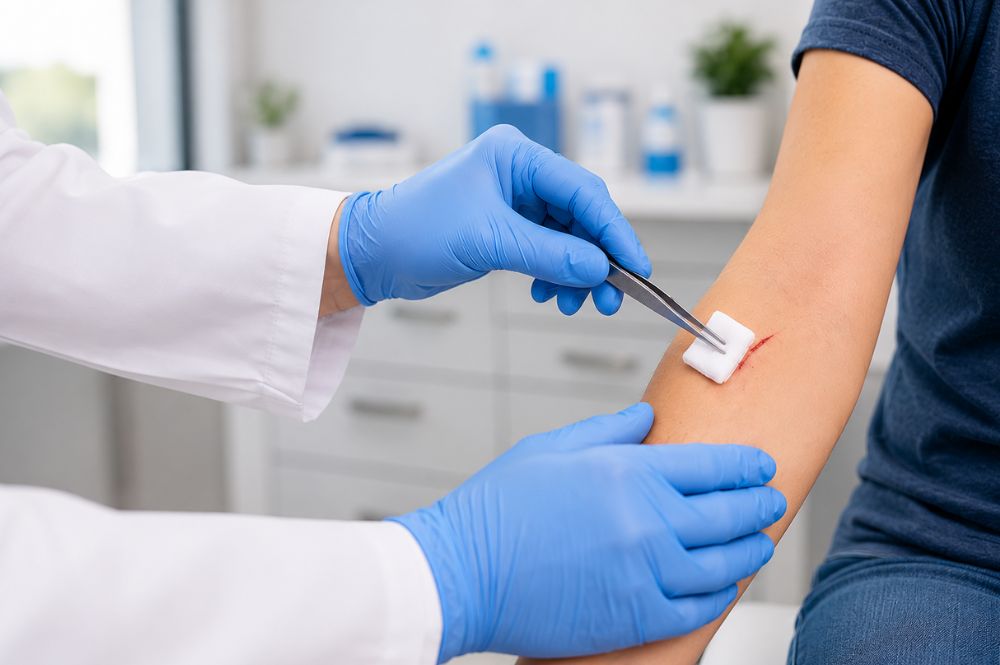
Many of us have had a cut or scrape and thought, “It’s fine, I’ll just put a Band-Aid on it.” And most of the time, that’s really all you need, because most small cuts and scrapes can be handled at home with some basic first aid.
But the tricky part is knowing when a wound is more serious than it first appears, and that doesn’t always mean it has to look “dramatic” to warrant medical attention. For example, a cut that’s deep, has edges that are pulling apart, or continuously bleeds may need an examination by a doctor. The same goes for wounds caused by dirty or contaminated objects, especially if there’s a chance that dirt or debris got into them.
So, how do you know if your cut or scrape needs stitches? In this guide, we’ll break down what you should look for after getting a cut or scrape, how to tell if stitches may be necessary, how soon you should seek care, and what other warning signs to watch for as the wound heals.
When Can You Treat a Cut or Scrape at Home?
Let’s start with what minor wounds typically look like. For starters, they’re usually small, don’t go very deep into the skin, and the edges should stay fairly close together. Bleeding should also slow down and stop after applying direct pressure.
If the wound appears minor, start by washing your hands. Next, gently rinse the wound with clean, running water. You can use mild soap around the area, but try not to get harsh products directly into it. And if you see small pieces of dirt or debris, gently remove them if they come off easily, but do not dig into the wound to remove anything that appears deeply embedded.
If the wound is bleeding, use a clean cloth or sterile gauze to apply steady pressure. Hold this for a few minutes without lifting the cloth to check on it. Once the bleeding has stopped, cover the wound with a clean bandage or dressing, and be sure to change the bandage regularly and replace it sooner if it becomes dirty or wet.
How Do You Know If a Cut Needs Stitches?
This is the magic question that many people have after getting a cut, and for the most part, the answer is dependent on several factors, like the depth, location, and appearance of the wound. That said, there are a few pretty clear warning signs that warrant a trip to a doctor’s office. These include:
- A deep or gaping wound where the edges are pulling apart and don’t come back together easily. This is usually a sign that the wound may be too deep to heal properly on its own.
- The bleeding won’t stop with direct pressure. Most minor cuts and scrapes should eventually stop bleeding when you apply firm pressure. If the bleeding continues, then the wound should be examined by a medical professional.
- You can see the deeper tissue inside the wound, which may mean that the cut may extend beyond the surface layers of the skin and could require professional cleaning and closure.
- The cut is over a joint or an area that moves frequently, like the fingers, hands, knees, elbows, or other moving areas that can repeatedly pull open. Even if the cut doesn’t look that large, constant movement can make it harder for the edges to stay together while the wound heals.
- The wound was caused by something dirty, rusty, or contaminated, which may increase the risk of an infection. These wounds may need thorough cleaning, and a provider may also review your tetanus vaccination history to determine whether a booster is recommended.
When in doubt, it’s better to have a questionable wound evaluated than to assume it’s fine and wait to see what happens.
How Soon Should You Get Stitches?
If you think a cut might need stitches, it’s best not to play the waiting game. The sooner a doctor or a healthcare professional can evaluate the wound, the easier it may be to clean it and decide whether stitches are warranted.
Now, there isn’t a universal rule or number of hours that you “should” wait to get stitches, as that time frame depends on several factors, including:
- Where the cut is located. Wounds on areas with good blood flow may be treated differently from wounds on other parts of the body.
- How deep and large the wound is. A small, shallow cut may not need closure at all, while a deeper or gaping wound may warrant closure.
- How the injury happened. A clean cut from a sharp object is different from a puncture wound or a cut caused by a dirty or contaminated object.
- How contaminated the wound is. Dirt, debris, bacteria, or other contaminants can increase the risk of infection and may affect how the wound can be closed.
- Your overall health and the condition of the wound, which can affect how quickly a wound heals and what type of treatment is the safest.
In other words, don’t rely on a certain time window to decide whether you need proper care and treatment. If the cut is deep, gaping, contaminated, or looks like it may need stitches, it’s better to have it evaluated sooner rather than later.
Can Urgent Care Provide Stitches?
The good news is that many urgent care centers provide stitches for wounds and lacerations, provided that they are appropriate for urgent care and don’t require emergency treatment.
At UrgentMed Care, we can examine and evaluate lacerations, provide wound cleaning, and determine whether the wound needs to be closed. Depending on the cut, closure may involve stitches, staples, or medical adhesive. We also offer plenty of other on-site services for UTIs, respiratory infections, sports injuries, insect bites, and more. Walk-ins are always welcome, and no appointment is required.
Do You Need a Tetanus Shot After a Cut?
Tetanus is a serious bacterial infection that can enter the body through broken skin, especially deep punctures or cuts contaminated with dirt, soil, or other debris. Not every cut means you need a tetanus shot, but it’s definitely something to keep in mind after an injury, especially if the wound was caused by something dirty, rusty, or contaminated.
So, how do you know if you need a booster? Well, it depends on a few things, including what caused the wound, how clean or contaminated it is, and when you last received a tetanus vaccine. For example, if you stepped on a dirty piece of metal or cut yourself on an object covered in soil or debris, it’s worth mentioning that when you seek care.
If you have no idea when your last tetanus shot was, just tell the provider that you’re unsure, and they can help determine whether you need a booster based on your vaccination history and the type of wound you have. And if you can, be sure to bring your vaccination records so that the provider may review your tetanus vaccination status.
Signs a Cut May Be Infected
Most minor wounds heal without a problem, but bacteria can sometimes get into a cut and cause an infection. That’s why it’s worth keeping an eye on the area for a few days, especially if the wound was deep, dirty, or hard to clean.
Now, some redness or mild swelling around a fresh wound can be normal. But what you want to watch out for is symptoms that are getting worse instead of better. This includes:
- Increased redness
- Warmth around the wound
- Increased swelling
- Drainage or pus
- Worsening pain
- Fever
If you notice these symptoms, do not simply cover the cut with another bandage and hope for the best. Seek proper medical attention immediately because an untreated wound infection can become much more serious down the line.
When Is a Cut an Emergency?
Most cuts can be treated without a trip to the emergency room, but some wounds are far more serious than what urgent care is equipped to handle. If you’re dealing with a cut and wondering whether to head to urgent care or the ER, the biggest question is whether the injury could be life-threatening or involve serious damage to the body. This may include:
- Severe or uncontrolled bleeding, as significant blood loss can become dangerous quickly.
- Major trauma. If the cut happened as part of a serious injury, like a car accident, severe fall, crush injury, or another major accident, you may have damage that isn’t immediately obvious. These situations may require imaging, surgery, or other emergency treatment that goes beyond what an urgent care clinic can provide.
- Loss of sensation or function. If you can’t move a finger, hand, arm, leg, or another affected body part normally, the injury could involve a nerve, tendon, blood vessel, or another deeper area.
- A serious wound involving a sensitive area, such as a severe facial injury or a wound involving the eye.
- Other potentially serious symptoms, including difficulty breathing, fainting, confusion, severe weakness, or signs of shock
So, between going to urgent care or the ER, don’t focus only on how “ugly” the cut looks. Think about the severity of the bleeding, how the injury happened, whether you have normal movements and sensations, and whether you can see deeper tissues. If something feels seriously wrong or if the injury could be life-threatening, then it’s safer to seek emergency care.
Walk-In Wound Care in Orlando & Kissimmee
Whether it’s a cut, scrape, or another type of wound, UrgentMed Care is happy to treat minor injuries and lacerations in the Orlando and Kissimmee areas. We offer walk-in, urgent care for non-life-threatening conditions that require immediate medical attention, as well as primary care and occupational medicine services. Patients can walk in during business hours without an appointment, and are often treated and discharged in 45 minutes or less.
So if you’re not sure whether your cut needs stitches, you don’t have to figure it out on your own. Our healthcare providers can evaluate the wound, clean and treat it, and determine whether stitches or another type of closure may be necessary. Walk in today for on-site services and personalized care.